Alumni
Baxter St at CCNY has long been a catalyst for innovative creation within the artistic mediums of photography and video practices. Ranging from exhibitions, residency programs, and partnerships, our core mission is to support and activate a vibrant community deeply engaged in the art of lens-based contemporary practices. Take a look at the wide breadth of alumni that are a part of our wonderful and ever-expanding community.
ARTISTS
Morgan Levy
Project Space (2025)
ARTISTS
Morgan Levy
Project Space (2025)
Spark of a Nail
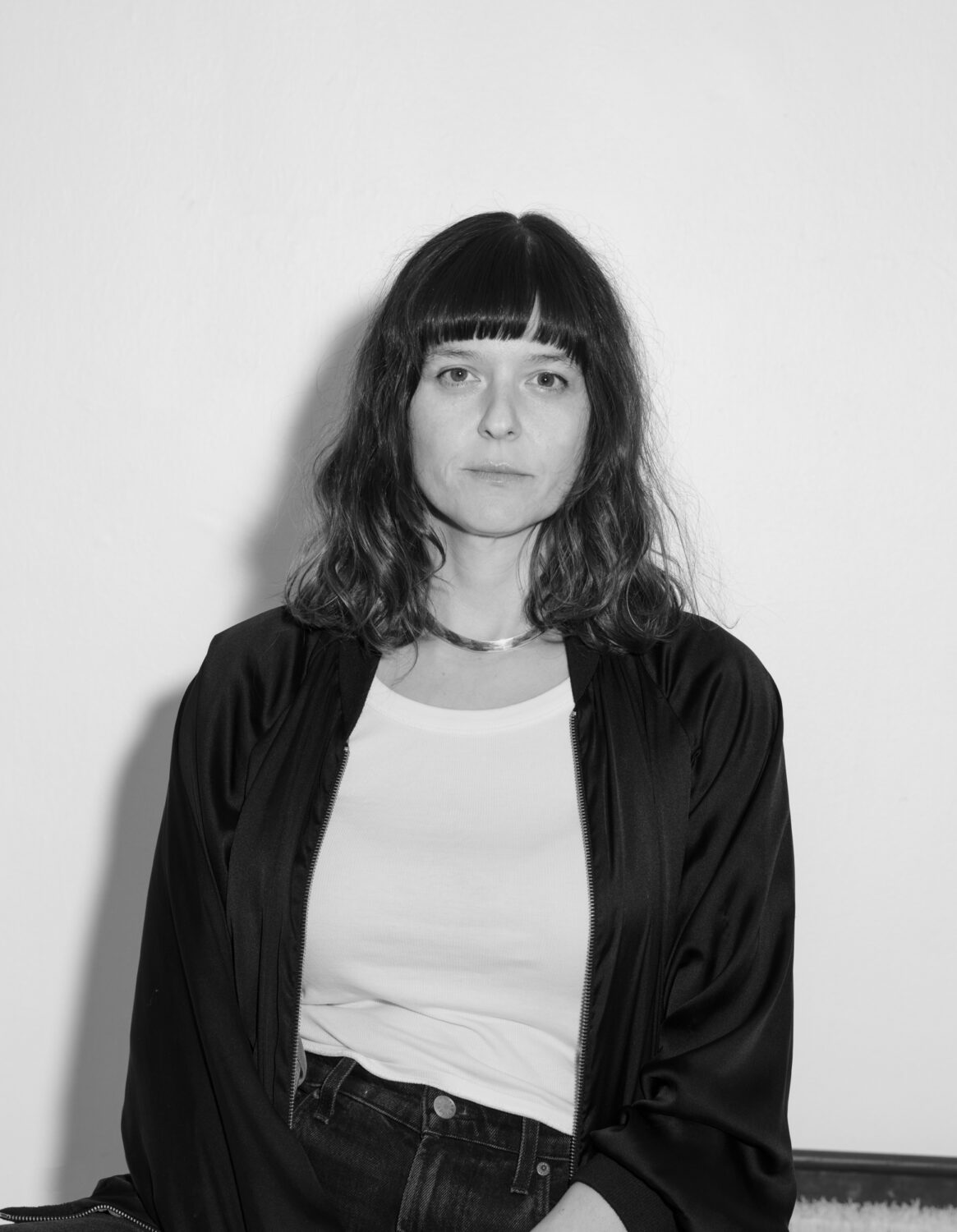
Morgan Levy is a photo-based artist and educator originally from Philadelphia, PA. She is a recipient of the 2025 V&A Parasol Foundation Prize for Women in Photography and was a Barbara Deming Memorial Foundation and a Puffin Foundation grantee in 2024. In 2023 she was a finalist for the Aperture Portfolio Prize and participated in UnionDocs’ Research & Development lab.
Her work is currently on view at Large Glass gallery in London in the group exhibition Light Industry, was recently on view at Copeland Gallery in London as part of the 2025 V&A Parasol Foundation Prize, and was included in the group exhibition On Land and Place at the Vermont Center for Photography. In 2024, her work was shown as a part of group exhibitions at the Through line Collective in Houston, TX and Gallery Kannski in Reykjavik, Iceland. Previous group exhibitions include the Print Center, Philadelphia, PA (2021), Archive/Project Space, Pittsfield, MA (2021), and Society for Photographic Education, Philadelphia, PA (2018). Her photographs have been published in contemporary art journals including Artforum, 1000 Words Magazine, Valentine Editions, and Capricious Magazine. Her work has also been published in numerous publications including The New York Times, The New Yorker, The Guardian, Time, and The New Republic.
Levy received her MFA in Photography from the Yale School of Art in 2020 and a BFA from Tisch School of the Arts at New York University in 2007. She is currently a part-time faculty member in the Photography Department at Parsons School of Design in New York, NY. She lives with her partner Håkan, their cat, and their child in Brooklyn, NY.
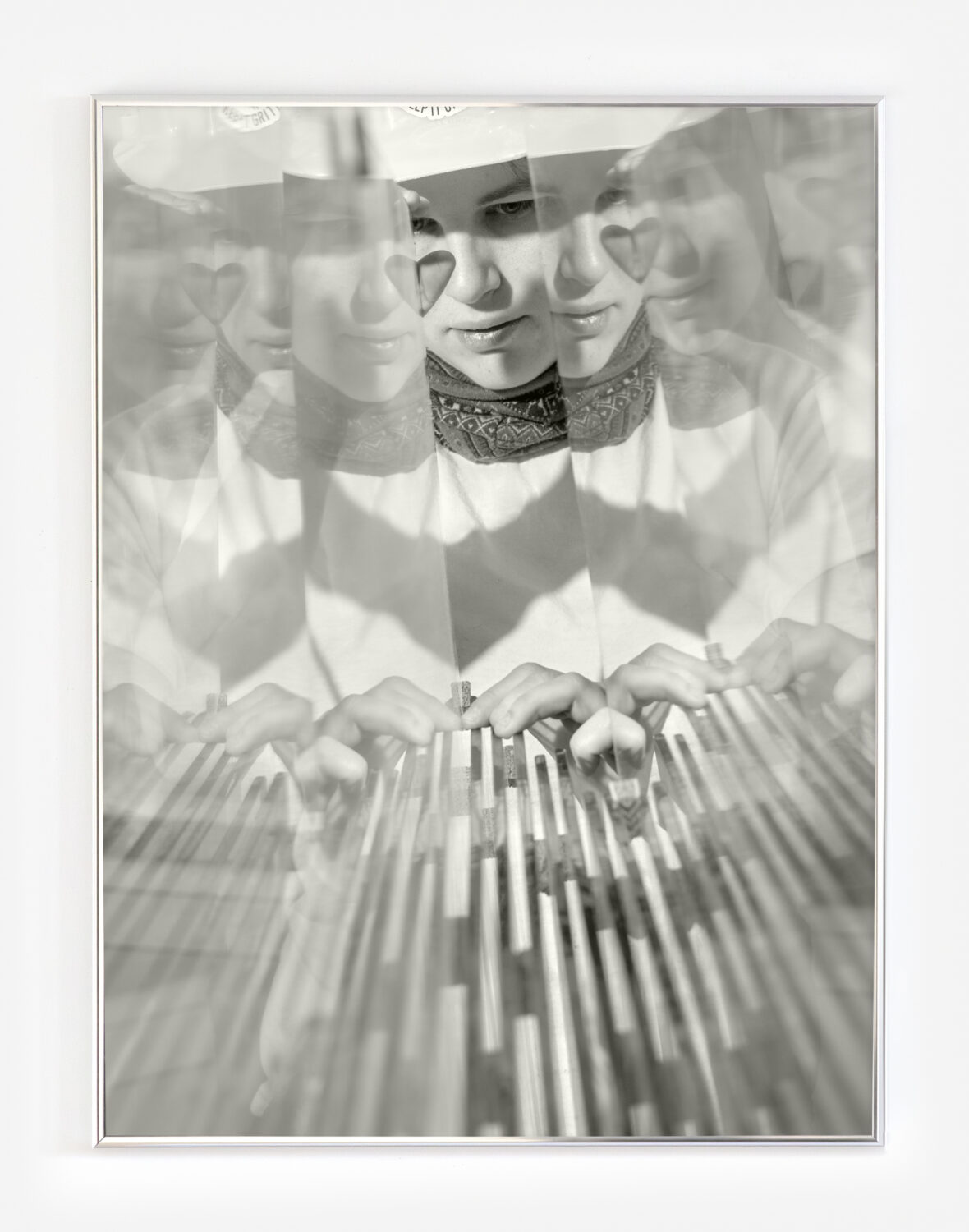
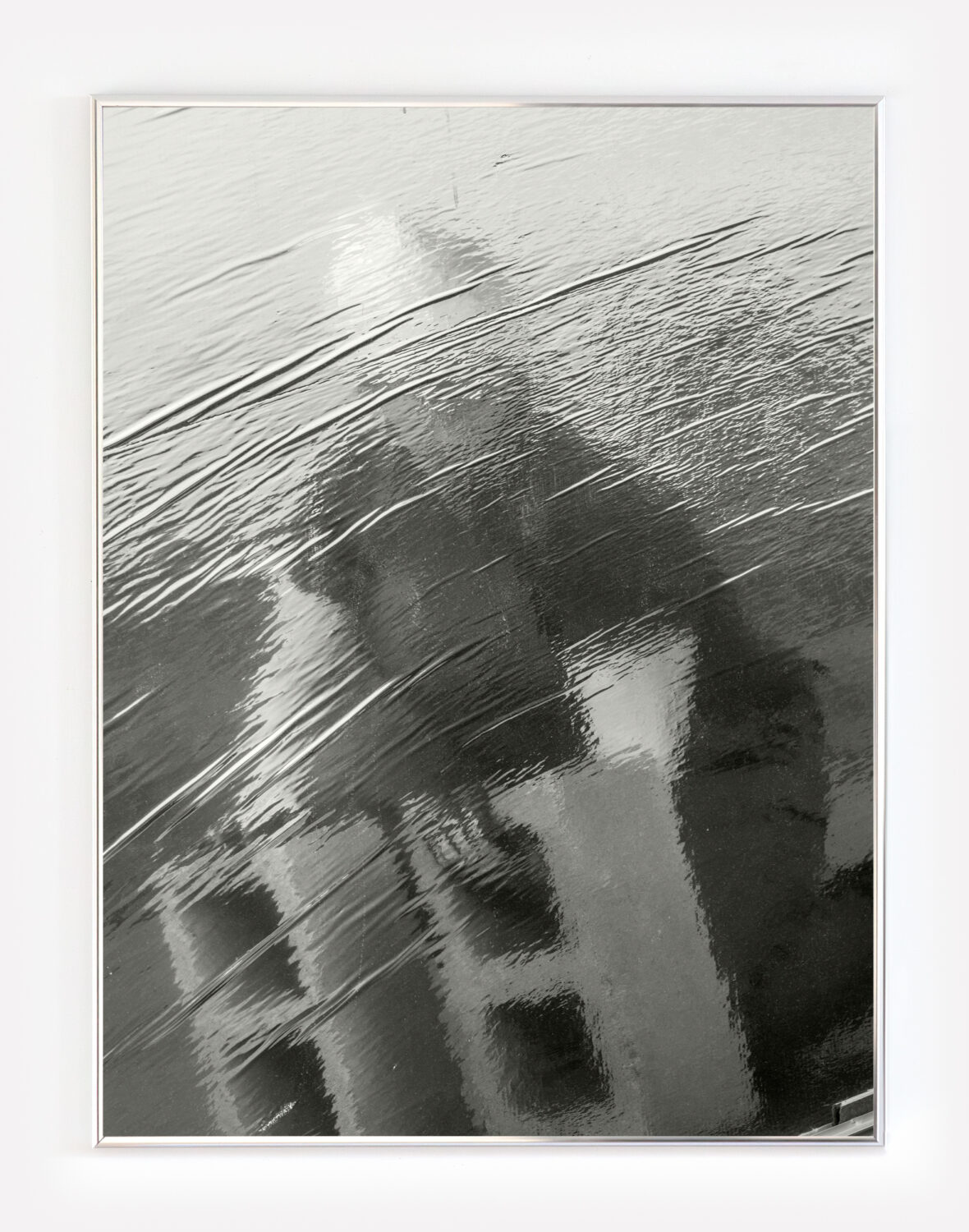
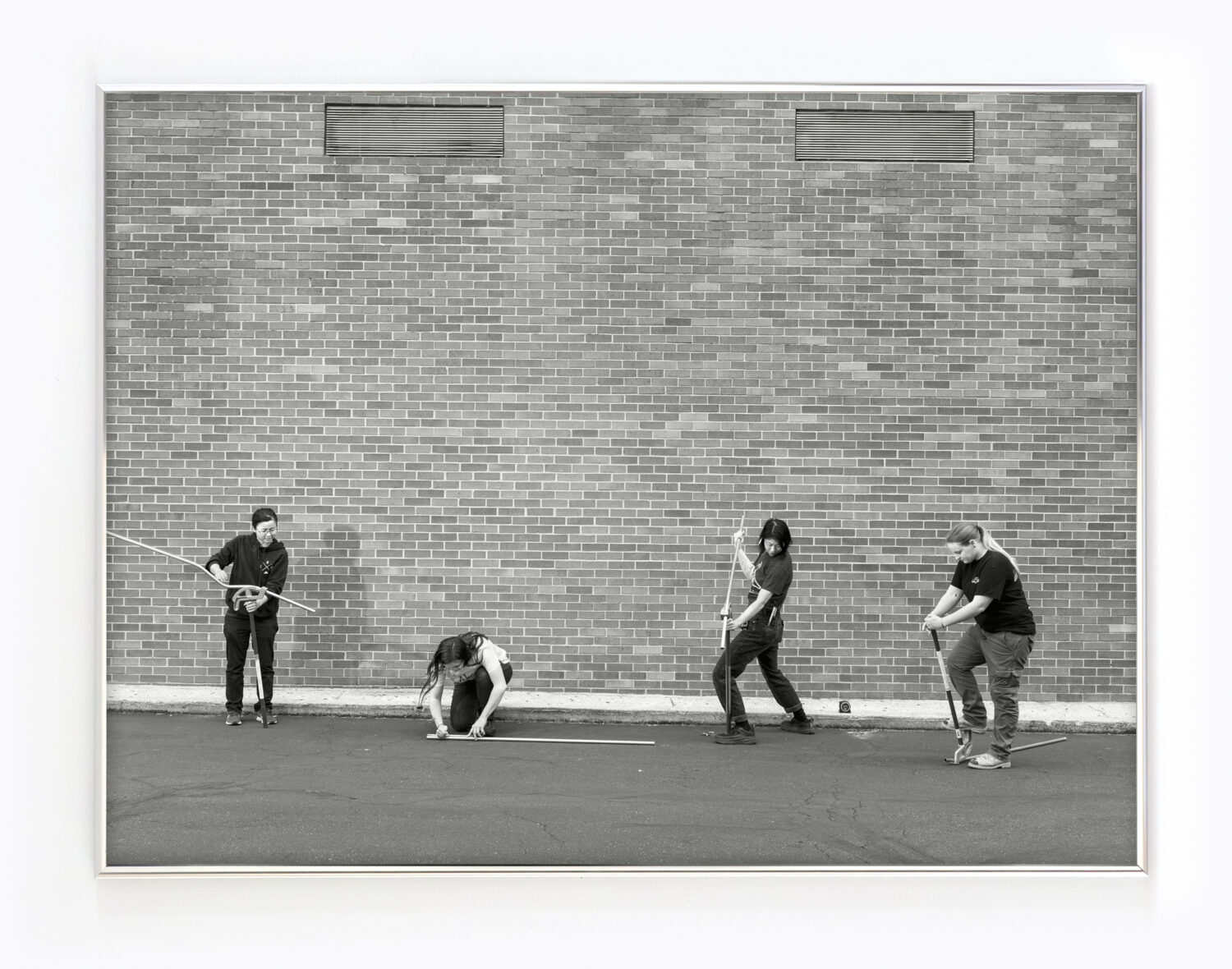
Spark of a Nail, an exhibition of new and recent works by photographer Morgan Levy. This selection of Levy’s participatory, lens based pieces situate women and non-binary individuals at the intersection of photography, labor, and the built environment. Throughout her work, Levy takes an interest in photography’s generative potential, its capacity to probe and visualize what is often hidden or ignored, frequently turning her lens towards environments or landscapes in flux or transition. For Spark of a Nail, Levy collaborated with tradespeople in both apprenticeship programs and professional settings, providing a forum for conversation and demonstration of expertise. The resulting images enact a form of world-making, where acts of labor and gestures of rest unfold within physical and material spaces that women and non-binary people build and transform of their own volition. Combining documentary, staged photography, and performance, Levy places this body of work in dialogue with two distinct visual histories: early 20th-century images of U.S. labor, which largely excluded minority groups and often served political goals, as well as feminist photographic practices of the 1970s and ‘80s, such as those of the various photographers included in The Woman’s Carpentry Book and photographer and investigative reporter Betty Medsger. Levy also draws inspiration from sculptural works of that era, such as Lynda Benglis’ radical “pours,” which subvert expectations about industrial materials. Through research, observation, sketching, and discussion with her collaborators, Levy stages re-performances of acts or work that she has observed. This method of making enables the artist to disrupt the ways in which patriarchal power is traditionally modeled as a hierarchical system in hypermasculine professional realms. Deliberate framing choices leave cis-men at the periphery of the photographs, as Levy constructs a world almost exclusively populated by women and non-binary individuals engaged in a collective and speculative building project.
At the same time, Levy recognizes the continued presence of sexism, racism, and threats of violence in the building trades. Her work underscores how tradeswomen themselves are often perceived as threats, not only to established economic hierarchies, but also to the perception of building work as inherently masculine. Emerging at the condensation point where labor, images, identity, and the built environment coalesce, the artist’s work is at once a reflection and a necessary form of resistance. Through a choreography of bodies, her images acknowledge real-life contingencies and gesture toward futures in which old structures give way and new forms are collectively built.